
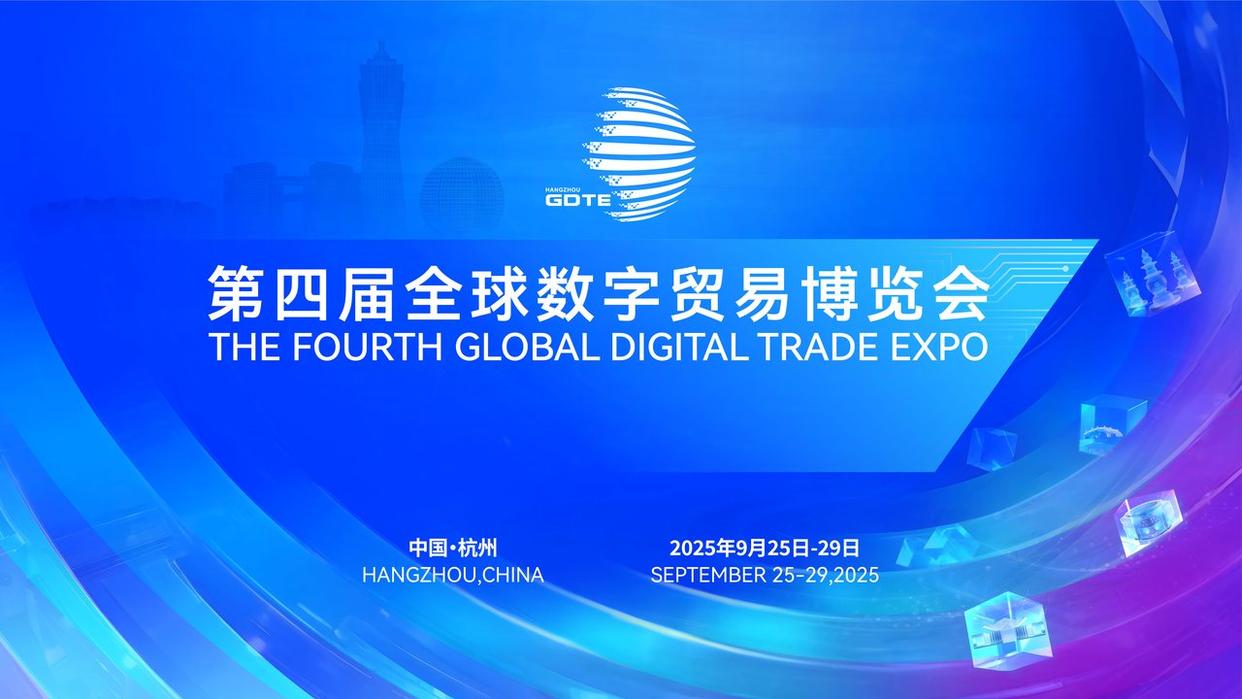

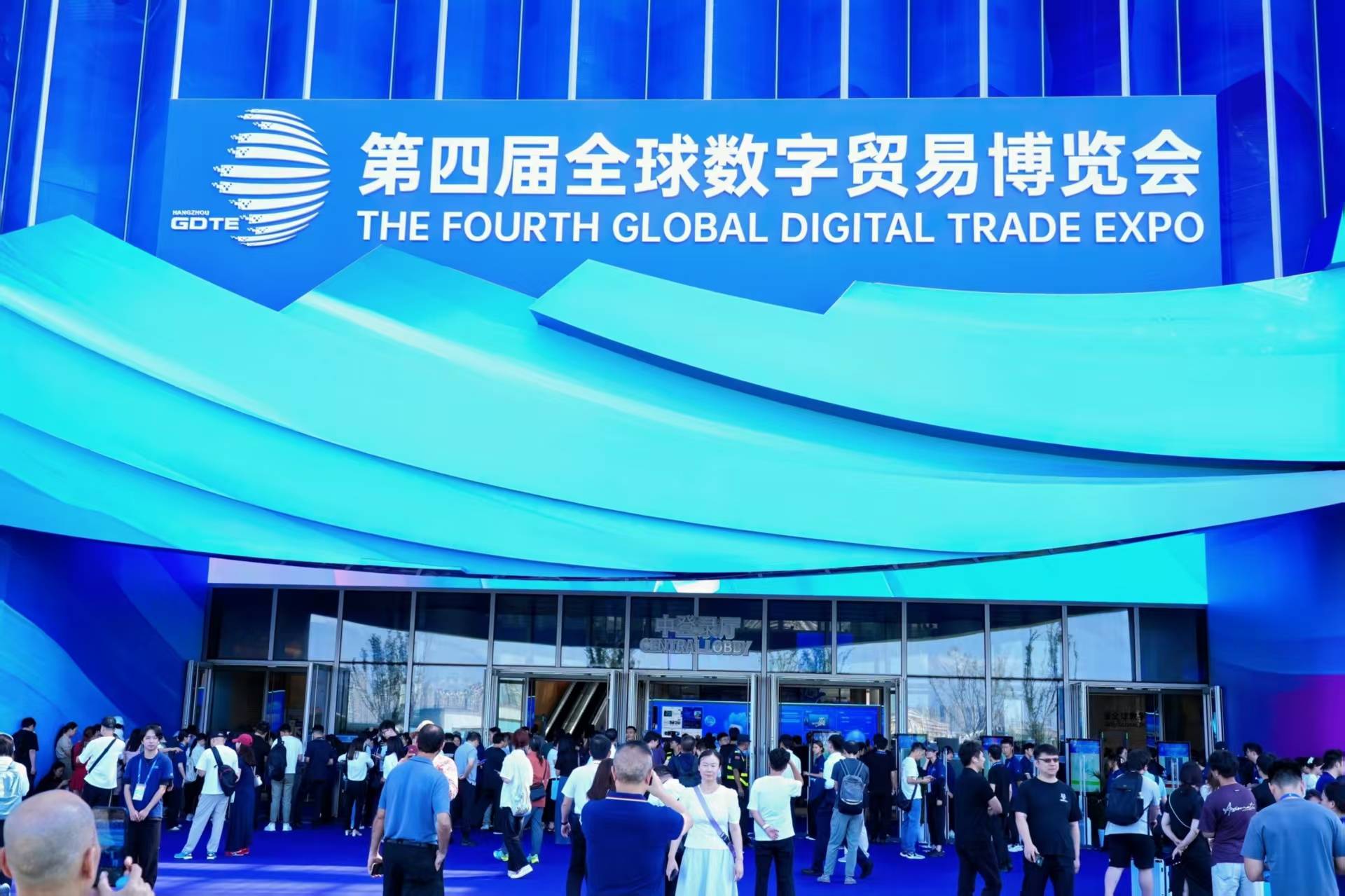
From September 25 to 29, 2025, the fourth Global Digital Trade Expo (GDTEX 2025) will be held in Hangzhou, China. As a major exchange platform for the global digital economy and industrial digitalization, this expo, themed “Connected, Intelligent, Creating a Co-created Future,” will focus on innovative areas such as artificial intelligence, smart manufacturing, the Internet of Things, and digital displays. Industrial touchscreen technology, as a key entry point for intelligent interaction, has become a key highlight in the convergence of manufacturing and digitalization.
An industrial touchscreen is a human-machine interaction terminal that integrates display and input functions. Its basic principle is to input commands to the control system by sensing signals from fingers, capacitive pens, or pressure. Its structure primarily consists of a display module, a touch-sensing layer, a control chip, and protective glass. Due to its intuitive operation, responsiveness, stability, and durability, industrial touchscreens have been widely used in a variety of fields, including industrial automation, medical equipment, in-vehicle systems, logistics and warehousing, and energy management, providing efficient interactive interfaces for digital factories and smart industries.
Currently, mainstream touchscreen technologies are capacitive and resistive. Capacitive screens rely on the body’s electrical conductivity for signal sensing, supporting multi-touch, offering excellent display quality and a simple appearance. They are widely used in high-end manufacturing and smart devices. Resistive screens, on the other hand, detect contact points through pressure changes, offer strong anti-interference capabilities, can be operated with gloves, and are adaptable to harsh environments. They are commonly used in industrial control, medical, and military applications. Companies can choose the appropriate solution based on the application environment to achieve a balance between performance and cost.
In terms of display lamination, fully bonded (OCA) technology is gradually replacing traditional air gap structures. This optical adhesive layer fully bonds the touch panel to the display glass, effectively preventing dust and moisture from entering, reducing glare and improving image contrast. It also enhances the screen’s shock, moisture, and weather resistance, making the product more reliable in outdoor and industrial environments.
Looking ahead, the industrial touch screen industry is experiencing new trends such as flexible screens, antimicrobial materials, and AI-powered intelligent interaction. Flexible display technology enables more innovative and adaptable device design; antimicrobial glass effectively meets the needs of public and medical environments; and AI-driven voice and gesture recognition and adaptive control will propel human-machine interaction into an era of intelligent collaboration.
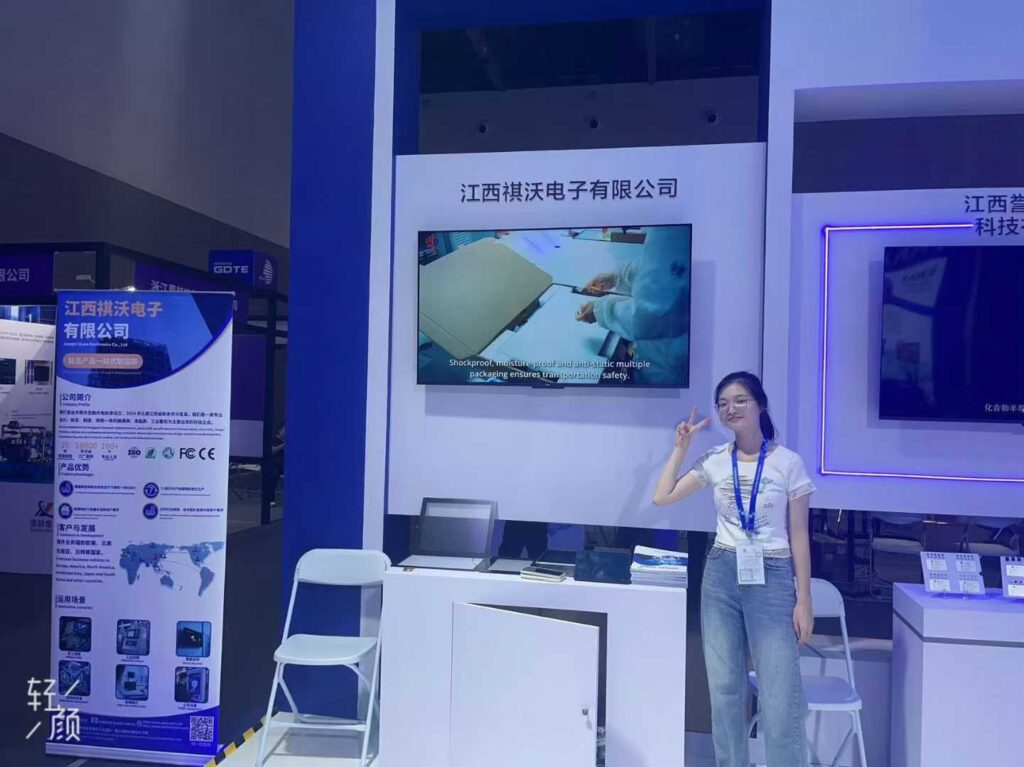
In automation and machine control, smart logistics, and digital factories, industrial touchscreens are becoming a crucial bridge connecting people and equipment. From production control panels to warehouse sorting terminals, they improve operational efficiency and the real-time delivery of information. Furthermore, high-brightness display technology is becoming crucial for outdoor applications. High-brightness backlight modules, low-reflection coatings, and automatic light sensitivity adjustment technologies ensure clear visibility even in bright sunlight, meeting the high demands of transportation, energy, and security applications.
With the deepening of global digital trade, industrial touchscreen technology is being integrated into various smart devices and information systems at an unprecedented rate. The 2025 Global Digital Trade Expo will serve as a key platform to showcase these technological innovations and inject new impetus into the digital upgrade of China’s manufacturing industry.