

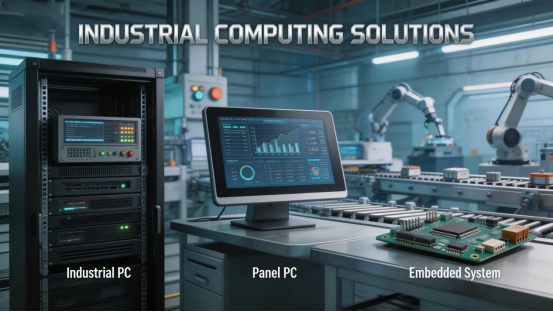
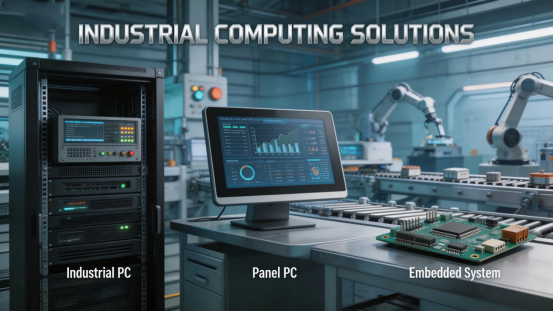
In today’s fast-evolving industrial landscape, reliable computing solutions are the backbone of operational efficiency, automation, and innovation. From manufacturing floors to healthcare facilities, from rugged outdoor environments to smart retail setups, industrial computers play a pivotal role in powering critical applications. This guide explores the diverse world of industrial computing, focusing on industrial PCs, industrial panel PCs, embedded systems, and specialized solutions like fanless industrial PCs, to help you understand their applications, benefits, and how to choose the right technology for your business needs.
1. What Is an Industrial Computer?
An industrial computer is a ruggedized computing system built to operate in harsh industrial environments where standard consumer-grade computers would fail. Unlike office PCs, industrial computers are engineered to withstand extreme temperatures, dust, moisture, vibration, and electrical interference—all while delivering 24/7 performance. This makes them indispensable for applications that demand unwavering reliability.
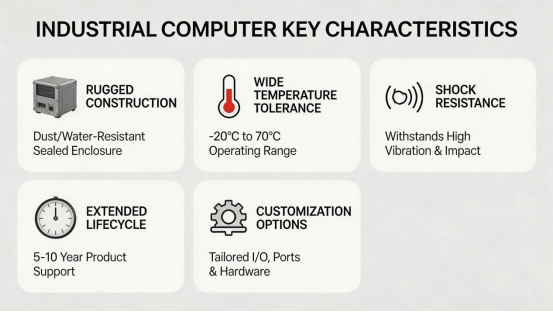
Key characteristics of industrial computers include:
- Rugged construction: Durable casings and reinforced components to resist physical stress.
- Wide temperature tolerance: Operating ranges from -20°C to 70°C (or broader for specialized models).
- Shock and vibration resistance: Critical for use in manufacturing machinery, vehicles, and industrial automation.
- Extended lifecycles: Designed for long-term deployment, with support for legacy hardware and software.
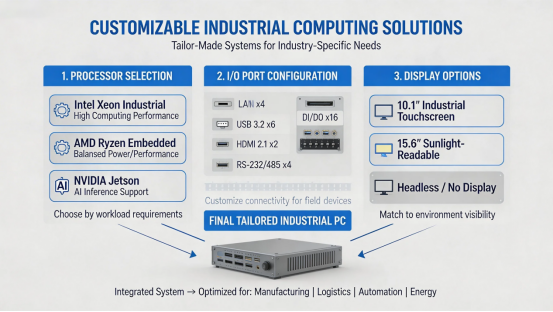
- Customization options: Tailored to specific industry needs, with configurable I/O ports, storage, and processing power.
Industrial computers are not just “tough PCs”—they are purpose-built to solve unique challenges in sectors like manufacturing, healthcare, transportation, and defense. Whether you need a compact embedded system for a medical device or a high-performance industrial PC for a factory automation line, the right solution can transform your operations.
2. Industrial PC vs. Industrial Panel PC: Key Differences
When evaluating computing solutions for industrial applications, two common options are industrial PCs and industrial panel PCs. While both serve critical roles, they are designed for distinct use cases. Let’s break down their differences:
Industrial PC (Industrial Personal Computer)
An industrial PC is a standalone computing unit, often housed in a rack-mountable or compact chassis. It typically includes a motherboard, processor, memory, storage, and I/O ports, but does not include an integrated display. Industrial PCs are highly versatile, used in applications like:
- Factory automation and control systems
- Data acquisition and processing
- Edge computing for IoT deployments
- Industrial servers and workstations
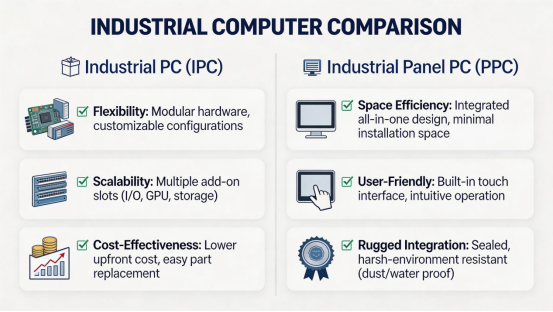
Advantages of industrial PCs:
- Flexibility: Can be paired with any display or monitor, making them suitable for multi-screen setups.
- Scalability: Easy to upgrade components like RAM, storage, or expansion cards.
- Cost-effectiveness: Ideal for applications where a dedicated display is not required.
Industrial Panel PC (Industrial Panel Computer)
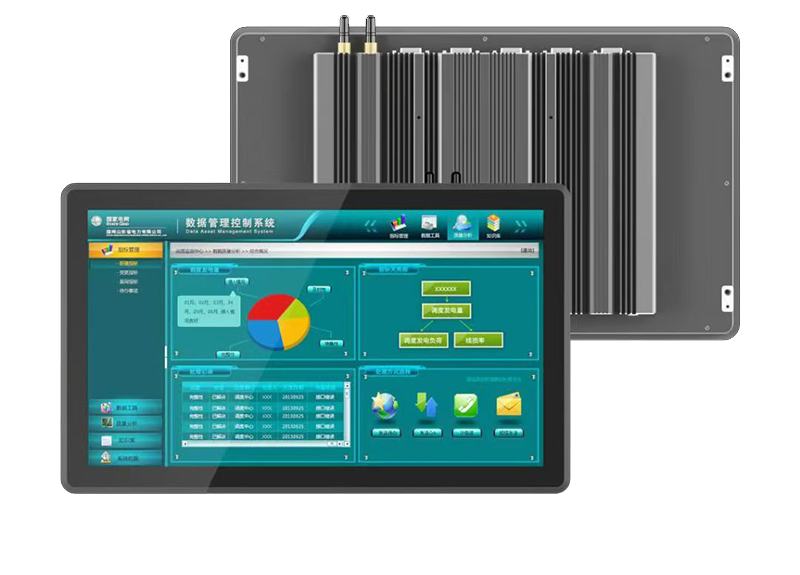
An industrial panel PC integrates a touchscreen display directly into the computing unit, creating a compact, all-in-one solution. These devices are designed for direct user interaction, making them perfect for applications like:
- Human-machine interface (HMI) systems
- Industrial control panels
- Medical diagnostic equipment
- Retail and hospitality kiosks
Advantages of industrial panel PCs:
- Space efficiency: Eliminates the need for separate displays and mounting hardware.
- User-friendly: Intuitive touchscreen interfaces reduce training time for operators.
- Rugged integration: Displays are built to resist scratches, moisture, and impact, suitable for frontline use.
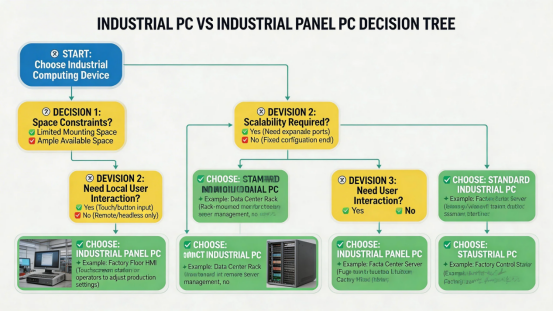
When choosing between an industrial PC and an industrial panel PC, consider your application’s space constraints, user interaction needs, and scalability requirements. For example, a factory floor with limited space may benefit from a panel PC, while a data center might prioritize the flexibility of a standalone industrial PC.
3. Fanless Industrial PCs: Silent, Reliable, and Efficient
One of the most critical innovations in industrial computing is the development offanless industrial PCs. Unlike traditional computers that rely on fans for cooling, fanless industrial PCs use passive heat dissipation techniques, such as heat sinks and thermal conductive materials, to regulate temperature. This design offers several key benefits:
Benefits of Fanless Industrial PCs
- Reduced maintenance: No moving parts (like fans) mean fewer points of failure, lowering the risk of breakdowns and reducing maintenance costs.
- Dust and moisture resistance: Fanless designs eliminate intake vents, preventing dust, debris, and moisture from entering the system—critical for use in dusty manufacturing environments or outdoor settings.
- Silent operation: Ideal for noise-sensitive environments like hospitals, laboratories, or office spaces.
- Energy efficiency: Passive cooling reduces power consumption, making fanless industrial PCs more eco-friendly and cost-effective to operate.
Fanless industrial PCs are available in various form factors, including compact mini PCs, rack-mountable units, and panel PCs. They are widely used in applications like:
- Medical imaging and diagnostic equipment
- Industrial automation and control systems
- Transportation and logistics (e.g., vehicle-mounted computers)
- Retail and hospitality (e.g., self-service kiosks)
For businesses operating in harsh or noise-sensitive environments, fanless industrial PCs offer a reliable, low-maintenance solution that delivers consistent performance without compromising on durability.
4. Embedded Industrial PCs: Powering the Internet of Things (IoT)
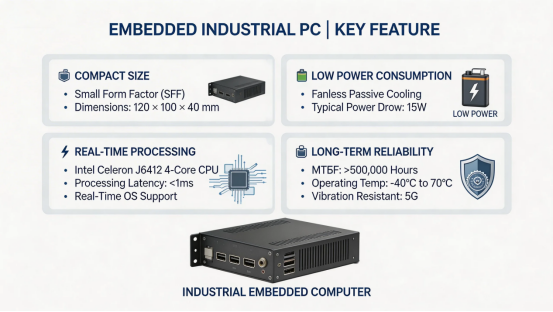
As the Internet of Things (IoT) continues to transform industries, embedded industrial PCs have become essential components of smart systems. An embedded industrial PC is a compact, specialized computing device integrated into a larger product or system, designed to perform specific functions with minimal user intervention.
Key features of embedded industrial PCs:
- Compact size: Designed to fit into tight spaces, making them ideal for integration into machinery, vehicles, or medical devices.
- Low power consumption: Optimized for energy efficiency, critical for battery-powered or remote IoT devices.
- Real-time processing: Capable of handling time-sensitive data, such as sensor inputs in industrial automation.
- Long-term reliability: Built to operate for years without maintenance, even in remote or inaccessible locations.
Embedded industrial PCs are the “brains” behind many modern IoT applications, including:
- Smart manufacturing: Monitoring production lines, optimizing efficiency, and predicting equipment failures.
- Healthcare: Powering portable diagnostic tools, patient monitoring systems, and telemedicine devices.
- Transportation: Enabling vehicle-to-everything (V2X) communication, autonomous driving, and fleet management.
- Smart cities: Managing traffic systems, public safety infrastructure, and environmental monitoring.
The demand for embedded industrial PCs is surging as industries embrace digital transformation. According to industry reports, the global embedded computing market is projected to grow at a CAGR of over 6% through 2030, driven by the expansion of IoT and edge computing.
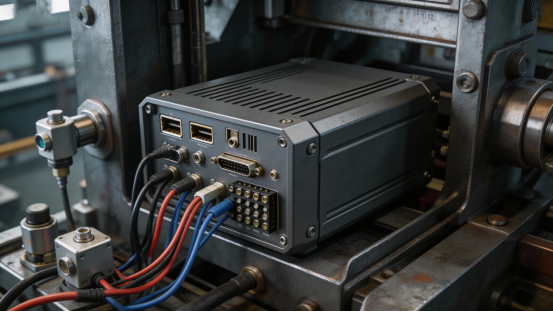
5. Industrial Mini PCs: Compact Power for Space-Constrained Environments
For applications where space is at a premium, industrial mini PCs offer a powerful yet compact solution. These devices are designed to deliver the performance of a full-sized industrial PC in a fraction of the space, making them ideal for:
- Edge computing deployments in remote locations
- Integration into small machinery or equipment
- Portable industrial workstations
- Retail and hospitality setups (e.g., POS systems)
Industrial mini PCs retain the ruggedness of larger industrial computers, with features like wide temperature tolerance, shock resistance, and fanless cooling. They are available with a range of processors, from low-power ARM chips to high-performance Intel Core processors, ensuring they can handle everything from basic data logging to complex analytics.
One of the key advantages of industrial mini PCs is their versatility. They can be mounted on walls, DIN rails, or inside equipment, making them adaptable to almost any environment. For example, a manufacturing plant might use an industrial mini PC to monitor a single production line, while a logistics company could deploy one in a delivery truck to track shipments in real time.
6. Leading Industrial Computing Brands: OnLogic, Advantech, and Dell
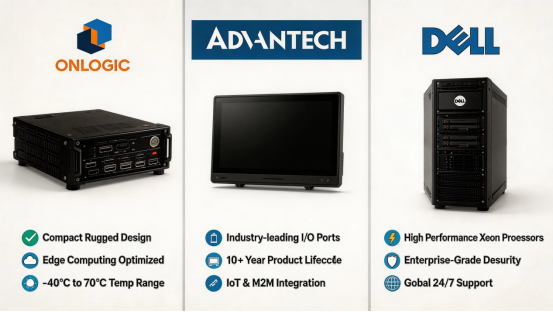
When selecting an industrial computing solution, choosing a reputable brand is critical to ensuring reliability, support, and long-term performance. Three leading players in the industrial computing space are OnLogic, Advantech, and Dell.
OnLogic Industrial PCs
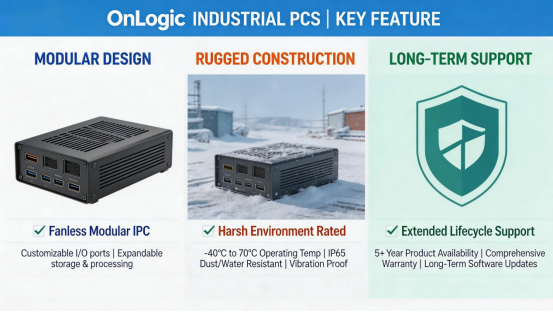
OnLogic specializes in rugged, fanless industrial computing solutions, with a focus on customization and durability. Their product line includes industrial PCs, panel PCs, and embedded systems, designed for use in extreme environments. Key features of OnLogic industrial PCs include:
- Modular design: Customizable to meet specific application requirements, with options for I/O ports, storage, and processing power.
- Rugged construction: Built to resist dust, moisture, and vibration, with wide temperature operating ranges.
- Long-term support: Extended product lifecycles and legacy hardware support, critical for industrial deployments.
OnLogic’s solutions are widely used in industries like manufacturing, healthcare, and transportation, where reliability is non-negotiable.
Advantech Industrial PCs
Advantech is a global leader in industrial computing, offering a comprehensive range of products, including industrial PCs, panel PCs, embedded systems, and IoT gateways. The company is known for its innovation, with a focus on enabling smart manufacturing and Industry 4.0. Key advantages of Advantech industrial PCs include:
- Industry-leading technology: Cutting-edge processors, AI acceleration, and IoT connectivity options.
- Global support: A worldwide network of service centers and technical experts, ensuring timely assistance for international deployments.
- Compliance: Adherence to industry standards like ISO 9001 and IATF 16949, ensuring quality and reliability.
Advantech’s solutions are trusted by businesses in over 100 countries, powering critical applications in sectors like automotive, healthcare, and smart cities.
Dell Industrial PCs
Dell, a household name in consumer computing, also offers a range of industrial-grade solutions, including rugged laptops, workstations, and industrial PCs. Dell industrial PCs are designed for durability and performance, with features like:
- Ruggedized design: Resistant to drops, spills, and extreme temperatures, suitable for fieldwork and outdoor applications.
- Enterprise-grade security: Advanced encryption and threat detection, protecting sensitive industrial data.
- Seamless integration: Compatibility with Dell’s enterprise software and services, simplifying IT management.
Dell industrial PCs are popular in sectors like public safety, field services, and manufacturing, where mobility and reliability are essential.
When evaluating brands, consider factors like product customization, support services, and compliance with industry standards. The right brand will not only provide a reliable product but also partner with you to solve your unique industrial computing challenges.
7. Applications of Industrial Computing Across Key Industries: U.S. Case Studies
Industrial computing solutions are versatile, with applications spanning nearly every sector of the U.S. economy. Let’s explore how industrial PCs, panel PCs, and embedded systems are transforming key industries with real-world American examples:
Manufacturing and Industrial Automation: Ford’s Smart Factory in Detroit
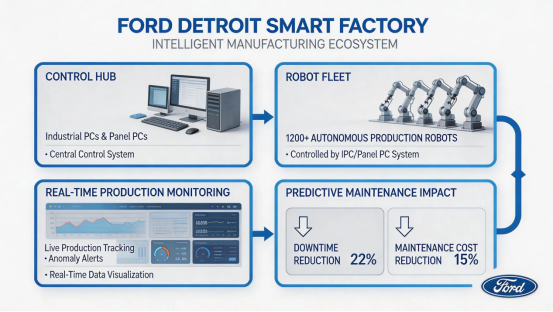
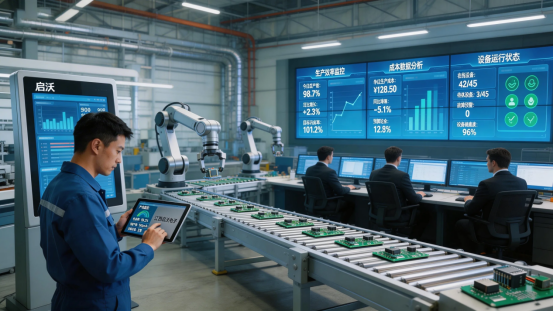
Ford Motor Company’s Detroit Assembly Plant is a flagship example of Industry 4.0 in action. The facility uses a network of industrial PCs and industrial panel PCs to power its advanced robotics and automation systems. These rugged computing solutions monitor production lines in real time, adjusting robotic arm movements and assembly processes to optimize efficiency. By integrating predictive maintenance algorithms running on industrial PCs, Ford reduced unplanned downtime by 22% and cut production costs by 15% in its first year of implementation. The plant’s HMI systems, powered by industrial panel PCs, allow operators to monitor 1,200+ robots and make instant adjustments, ensuring consistent quality across every vehicle.
Healthcare and Medical Devices: Mayo Clinic’s Remote Patient Monitoring
The Mayo Clinic, a leader in U.S. healthcare, has deployed embedded industrial PCs in portable patient monitoring devices used in rural Minnesota and beyond. These fanless, compact systems process vital sign data (heart rate, blood pressure, oxygen levels) in real time, transmitting alerts to clinicians when patients experience critical changes. By using industrial-grade hardware, the clinic ensures devices operate reliably in home environments, even in areas with extreme temperatures or limited connectivity. This solution reduced hospital readmissions for chronic heart failure patients by 30%, demonstrating how industrial computing can expand access to high-quality care across the U.S.
Transportation and Automotive: Tesla’s Gigafactory in Nevada
Tesla’s Gigafactory in Nevada relies on industrial mini PCs and embedded industrial PCs to power its battery production lines and vehicle assembly processes. These compact, fanless systems control robotic material handlers, monitor battery cell quality, and manage the factory’s energy grid. The industrial mini PCs, mounted directly on production machinery, withstand the constant vibration and dust of the factory floor, ensuring uninterrupted operation. By integrating these systems with IoT sensors, Tesla achieved a 40% reduction in energy consumption per battery pack, aligning with the company’s sustainability goals while boosting production capacity.
Retail and Hospitality: Starbucks’ Smart Store Initiative
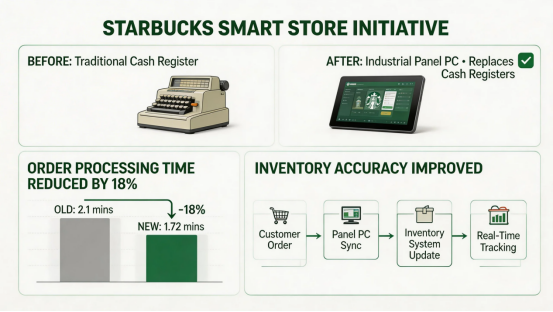
Starbucks has rolled out industrial panel PCs in over 8,000 U.S. locations as part of its “Smart Store” initiative. These all-in-one touchscreen systems replace traditional cash registers and drive-thru order boards, processing transactions, managing inventory, and analyzing customer preferences in real time. The fanless design ensures silent operation in busy cafes, while the rugged touchscreens resist spills and daily wear. By using industrial computing solutions, Starbucks reduced order processing time by 18% and improved inventory accuracy, creating a more seamless experience for both customers and baristas.
Defense and Aerospace: Lockheed Martin’s F-35 Program
Lockheed Martin’s F-35 Lightning II fighter jet program uses industrial embedded PCs to power the aircraft’s avionics and mission systems. These specialized computing systems process data from radar, sensors, and communication systems in real time, enabling pilots to make split-second decisions. Built to withstand extreme temperatures, vibration, and electromagnetic interference, the industrial PCs ensure reliable performance in the harshest combat environments. The program’s use of modular industrial computing solutions also simplifies maintenance and upgrades, reducing lifecycle costs by over $1.2 billion for the U.S. military.
8. How to Choose the Right Industrial Computing Solution
Selecting the right industrial computing solution requires careful consideration of your application’s unique requirements. Here are key factors to evaluate:
1. Environmental Conditions
- Temperature range: Ensure the system can operate in the minimum and maximum temperatures of your environment.
- Dust and moisture resistance: Look for IP ratings (e.g., IP65) to protect against ingress.
- Shock and vibration: Choose systems with reinforced components if your application involves movement or physical stress.
2. Performance Requirements
- Processing power: Select a processor that can handle your application’s computational needs (e.g., AI acceleration for edge computing).
- Memory and storage: Ensure sufficient RAM and storage for data logging, analytics, and software applications.
- I/O ports: Identify the number and type of ports needed to connect sensors, displays, and other devices.
3. Form Factor and Mounting
- Space constraints: Choose a compact form factor (e.g., mini PC, embedded system) if space is limited.
- Mounting options: Look for systems that support DIN rail, wall, or panel mounting to fit your setup.
- Display integration: Decide whether you need an integrated panel PC or a standalone industrial PC paired with a separate display.
4. Long-Term Support
- Product lifecycle: Select a solution with a long production lifecycle to avoid obsolescence.
- Technical support: Ensure the manufacturer offers timely support, firmware updates, and replacement parts.
- Compliance: Verify that the system meets industry standards (e.g., ISO 13485 for medical devices, IATF 16949 for automotive).
By carefully evaluating these factors, you can select an industrial computing solution that not only meets your current needs but also scales with your business as it grows.
9. The Future of Industrial Computing: Trends to WatchThe industrial computing landscape is evolving rapidly, driven by advancements in IoT, AI, and edge computing. Here are key trends shaping the future of the industry:
1. Edge Computing and AI Integration
Edge computing—processing data closer to the source rather than in the cloud—is becoming increasingly important in industrial settings. Industrial PCs and embedded systems are now equipped with AI acceleration capabilities, enabling real-time analytics, predictive maintenance, and autonomous decision-making. For example, a factory might use an industrial PC with AI to detect defects in products as they move down the production line, reducing waste and improving quality.
2. Increased Connectivity
5G and low-power wide-area network (LPWAN) technologies are expanding the reach of industrial computing, enabling seamless connectivity between devices, machines, and cloud platforms. This connectivity is critical for IoT deployments, allowing businesses to monitor and control operations from anywhere in the world. Industrial PCs are now designed with built-in 5G modems and Wi-Fi 6, ensuring reliable, high-speed communication.
3. Sustainability and Energy Efficiency
As businesses prioritize sustainability, industrial computing solutions are becoming more energy-efficient. Fanless designs, low-power processors, and optimized cooling systems reduce power consumption, lowering operational costs and carbon footprints. Manufacturers are also using recycled materials and eco-friendly production processes to minimize the environmental impact of their products.
4. Cybersecurity Enhancements
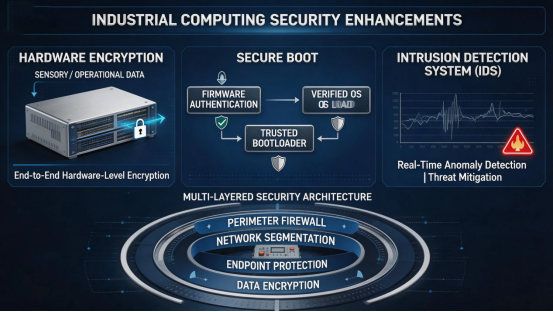
With the rise of IoT and connected systems, industrial cybersecurity has become a top priority. Industrial PCs and embedded systems are now equipped with advanced security features, including hardware encryption, secure boot, and intrusion detection systems. These features protect sensitive industrial data from cyber threats, ensuring the integrity of critical operations.
5. Customization and Modularity
Businesses are increasingly demanding customized industrial computing solutions that fit their unique needs. Manufacturers are responding with modular designs, allowing customers to select components like processors, I/O ports, and displays to create a tailored solution. This flexibility ensures that industrial computing systems can adapt to evolving industry requirements.
10. Conclusion: Investing in Reliable Industrial Computing Solutions
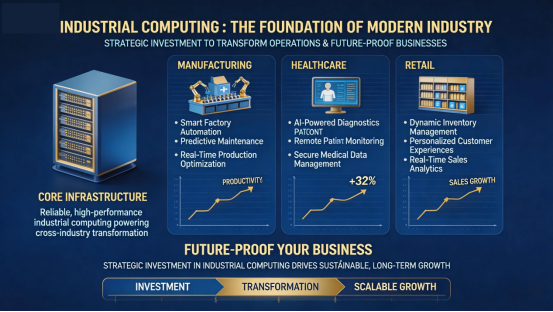
Industrial computing is the foundation of modern industry, powering everything from factory automation to healthcare innovation across the U.S. and globally. Whether you need a rugged industrial PC for a manufacturing floor like Ford’s Detroit plant, a compact embedded system for a medical device at the Mayo Clinic, or a fanless panel PC for a retail kiosk at Starbucks, the right solution can transform your operations, improve efficiency, and drive growth.
When selecting an industrial computing solution, prioritize reliability, durability, and long-term support. Choose a reputable brand with a track record of delivering high-quality products, and work with a partner who understands your industry’s unique challenges. By investing in the right technology, you can future-proof your business and stay ahead in an increasingly competitive landscape.
As the industrial computing industry continues to evolve, staying informed about the latest trends and innovations is essential. By embracing edge computing, AI, and connectivity, businesses can unlock new opportunities and drive digital transformation. The future of industry is smart, connected, and powered by reliable industrial computing solutions—and the time to invest is now.
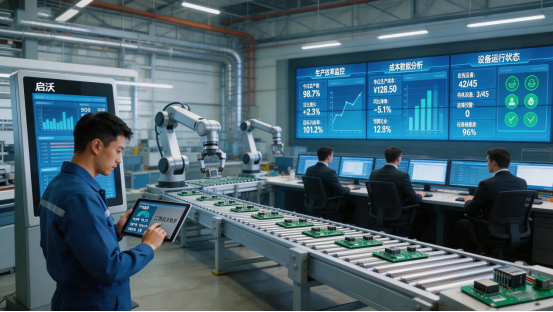
Industrial Computing Solutions: A Comprehensive Guide to Industrial PCs, Panel PCs, and Embedded Systems for Modern Industry