

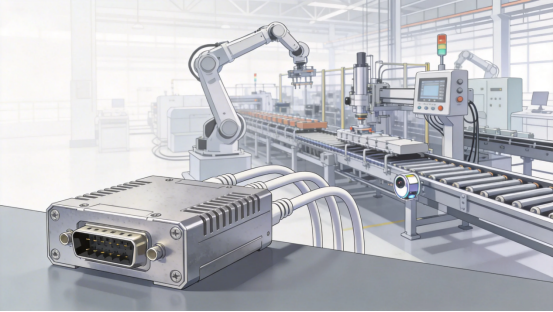
If you’ve ever walked through a large factory or industrial facility, you’ve probably noticed something: miles of messy wiring, tangled cables running along walls and floors, and technicians spending hours troubleshooting broken connections. It’s a common sight—and a huge waste of time and money.
Maybe you’ve asked yourself: Is there a way to cut down on all this wiring? Can we make our factory setup simpler, without sacrificing reliability? The answer is yes—with an industrial remote IO module. This small, powerful device is a game-changer for factories tired of messy wiring, costly downtime, and complicated installations. But if you’re like most factory managers, you’re probably wondering: What even is a remote IO module? How does it work? And will it actually make my job easier?
Today, I’m breaking this down in plain, no-nonsense language. No tech jargon, no complicated diagrams—just the facts you need to know. I’ll explain what an industrial remote IO module is, why it’s better than traditional wiring, how it works in real factories, and how to choose the right one for your setup. By the end, you’ll know exactly why so many factories are switching to remote IO modules—and why you should too.

First: What Is an Industrial Remote IO Module? (Simple Explanation)
Let’s start with the basics, no fluff. In most factories, sensors, switches, and actuators (the “IO devices”) are connected directly to PLCs or control systems with long cables. This means running hundreds—even thousands—of feet of wire across the factory, which is messy, expensive, and hard to maintain.
An industrial remote IO module cuts out all that extra wiring. It acts as a “middleman” between your IO devices (sensors, switches) and your control system (PLC, SCADA). You connect your IO devices to the remote IO module with short cables, then connect the module to your control system with a single network cable (Ethernet or wireless). That’s it—no more tangled wires, no more long cable runs, no more endless troubleshooting.
Think of it like this: Traditional wiring is like running a separate phone line to every room in your house. A remote IO module is like a Wi-Fi router—one connection to the main system, and all devices connect to it locally. It’s simpler, cleaner, and way more efficient.

Why Traditional Factory Wiring Is Holding You Back
Most factories still use traditional wiring for their IO devices—and it’s costing them time, money, and headaches. Here are the four biggest problems with traditional wiring that a remote IO module solves:
1. Messy, Tangled Wiring = Hard to Troubleshoot
When you have miles of cables running through your factory, it’s nearly impossible to find a broken or shorted wire. A single faulty cable can shut down an entire production line, and technicians can spend hours tracing the wire to find the problem. I’ve seen a factory lose 4 hours of production because a single wire was frayed—all because the wiring was so messy, no one could find the issue quickly.
2. Long Cable Runs = High Costs
Cable is expensive—especially industrial-grade cable. Running long cables from every sensor to the control room adds up fast. Plus, you have to pay technicians to install all that wiring, which takes time and labor. A medium-sized factory can spend tens of thousands of dollars on cable and installation alone. With a remote IO module, you cut cable usage by 70% or more—saving you big on materials and labor.
3. Inflexible = Hard to Expand
If you want to add a new sensor or machine to your factory, traditional wiring means running new cables all the way to the control room. That’s time-consuming, costly, and can disrupt production. With a remote IO module, you just connect the new device to the nearest module—no new long cable runs, no disruption. It’s easy to scale your factory without the hassle.
4. Vulnerable to Damage = More Downtime
Long cables running along floors or walls are easy to damage—forklifts can run over them, machines can pull them, and dust or moisture can corrode the connections. Every time a cable is damaged, you have downtime while you fix it. Remote IO modules use short, protected cables that are less likely to be damaged—cutting downtime from wiring issues by 80%.

How an Industrial Remote IO Module Works (In Real Life)
You don’t need to be a tech expert to understand how a remote IO module works. Let’s walk through a real example of how it’s used in a manufacturing factory:
A metal fabrication factory has 20 sensors spread across a 10,000-square-foot floor. Traditionally, each sensor would be connected to the PLC in the control room with a 100-foot cable—20 sensors = 2000 feet of cable, messy and hard to maintain.
They installed 4 industrial remote IO modules, placing one near each group of 5 sensors. Each sensor is connected to the nearby module with a 10-foot cable (total cable: 200 feet—90% less than traditional wiring). Then, each module is connected to the PLC with a single Ethernet cable. Now, all sensor data is sent to the PLC through the modules, and technicians can monitor and troubleshoot sensors right from the control room.
The result? No more messy wiring, 70% less time spent troubleshooting, and easy expansion when they add new sensors. It’s a simple change that made a huge difference in their daily operations.

Key Features to Look for in an Industrial Remote IO Module
Not all remote IO modules are the same. To make sure you get one that works for your factory, look for these 4 key features—they’ll save you headaches down the line:
1. Multiple IO Types
Make sure the module supports all the IO devices you use—digital inputs (switches), digital outputs (actuators), analog inputs (sensors), and analog outputs. This way, you can connect all your devices to one module, no need to buy multiple types.
2. Network Connectivity
Look for modules that support Ethernet (wired) or Wi-Fi (wireless) connectivity. Wired Ethernet is more reliable for most factories, but wireless is great for hard-to-reach areas where running cables is impossible. Some modules even support 4G for remote locations.
3. Industrial-Grade Durability
Like all factory equipment, remote IO modules need to be tough. Look for IP65+ dust and water protection, a wide temperature range (-40°C to 70°C), and vibration resistance. This ensures the module can handle the harsh factory environment and last for years.
4. Easy Configuration
You don’t need a tech expert to set up the module. Look for models with a simple web interface or mobile app—so you can configure the module, monitor IO devices, and troubleshoot issues yourself, without calling in a specialist. Top brands like Jiangxi Qiwo Electronics make modules that are super easy to set up, even if you’re not tech-savvy.

How Much Time and Money Can You Save?
The savings from an industrial remote IO module add up fast. Here’s what real factories have experienced:
- 70-90% less cable usage: Cut cable costs by thousands of dollars.
- 60-80% less time troubleshooting wiring: Free up technicians to focus on more important tasks.
- 50% faster installation: Get new devices up and running in hours, not days.
- 80% less downtime from wiring issues: Keep production on track and avoid costly delays.
A food processing plant I worked with saved over $20,000 in cable and labor costs in the first year alone. Another factory cut wiring-related downtime by 85%—that’s over $60,000 in saved production costs.

Who Needs an Industrial Remote IO Module?
If you have a factory with any of these, you need a remote IO module:
- Multiple IO devices (sensors, switches, actuators) spread across a large area
- Messy, hard-to-maintain wiring
- Frequent downtime from wiring issues
- Plans to expand your factory or add new devices
- A desire to save time, money, and reduce frustration
This includes manufacturing factories, water treatment plants, warehouses with automated equipment, mining operations, and more. If you’re tired of dealing with messy wiring and costly downtime, a remote IO module is the solution.
Final Thought: Simplify Your Factory, Boost Your Bottom Line
An industrial remote IO module might not be the most glamorous piece of factory equipment, but it’s one of the most impactful. It simplifies your wiring, saves you time and money, reduces downtime, and makes your factory more flexible. It’s not a “nice-to-have” upgrade—it’s a tool that makes your daily operations smoother and more efficient.
Traditional wiring is a thing of the past. Today’s smart factories use remote IO modules to cut through the clutter and focus on what matters: production. If you’re ready to simplify your factory and boost efficiency, it’s time to make the switch.
Ready to see how an industrial remote IO module can work for your factory? Request a free demo today from Jiangxi Qiwo Electronics. They’ll show you how their modules fit your setup, help you choose the right model, and even let you test it for 30 days. No jargon, no pressure—just a simple, reliable solution to your wiring headaches.
