
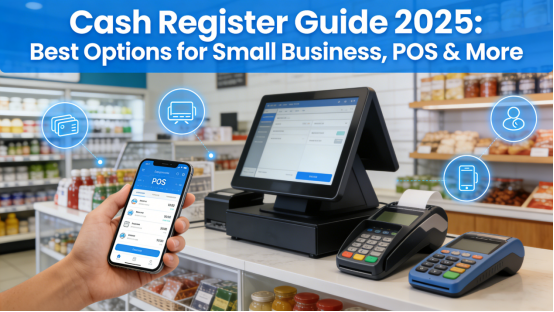
If you’re a small business owner, retail manager, or café operator, choosing the right cash register can make or break your daily operations—yet many struggle to pick a model that fits their unique needs. From compact options for pop-up shops to full-featured POS cash register systems, the right tool streamlines checkout, cuts down on errors, tracks sales, and keeps your finances organized. This guide breaks down everything you need to know to make an informed decision: step-by-step tips to pick the best cash register for small business, clear differences between a cash register machine and POS systems, where to find reliable cash register for sale options, and even maintenance hacks to keep your device running smoothly. Optimized for search engines, this guide is designed to help you find the perfect cash register—and help your business stand out in search results.
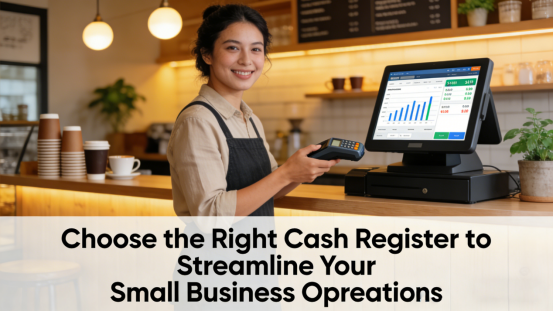
A cash register is far more than just a box to hold cash and coins—it’s a workhorse that saves you time and reduces mistakes. Modern models (including cash till and shop till alternatives) integrate with inventory tracking, sales reporting, and payment processing, turning a simple checkout tool into a core part of your business’s efficiency. For small businesses, a reliable cash register for small business eliminates manual math (no more counting change errors!), reduces human error in sales tracking, and provides clear, actionable sales data to help you decide what products to stock or when to run promotions. Unlike outdated manual tills, today’s options (like the clover cash register or square cash register) support contactless payments, digital receipts, and cloud-based reporting—critical for meeting modern customer expectations and saving you from tedious paperwork.
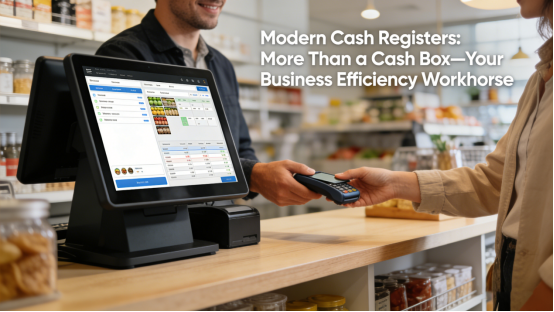
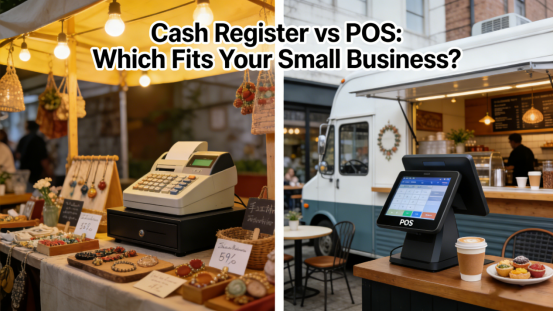
One of the biggest mistakes small business owners make is confusing a traditional cash register machine with a POS register—and this mix-up often leads to buying a tool that’s either too basic or too complex. Here’s a simple breakdown to avoid that, with real small business examples that highlight the key differences: A basic cash register machine focuses solely on processing transactions and tracking cash flow. It’s ideal for small shops, food stalls, or pop-ups with simple needs (e.g., a lemonade stand, a small boutique with 10-20 products) where you just need to ring up sales and count cash. For example, Maria runs a small craft stall at local markets; she only sells 8-10 handmade items, takes cash and basic card payments, and doesn’t need to track inventory. A $150 basiccash register machine with a built-in receipt printer and cash drawer works perfectly for her—no extra features, no unnecessary cost, and it aligns perfectly with her simple transaction needs. A POS cash register, by contrast, is a full system that combines hardware (touchscreen, cash drawer, receipt printer) with software to manage inventory, track employee hours, and analyze sales trends—making it ideal for businesses with more complex needs. For example, a square cash register turns a tablet you already own into a portable POS—perfect for farmers’ markets or food trucks, like Jake’s taco food truck. He uses Square to ring up orders, accept mobile payments, and track daily sales from his phone, which is crucial for his on-the-go business model. Similarly, a clover cash register offers an all-in-one touchscreen design for cafes and retail stores that need to track inventory (e.g., coffee beans, clothing sizes)—like Lila’s small café. She uses Clover to track how much coffee and pastries she sells daily, set low-stock alerts for milk, and manage her 3 part-time employees’ hours, streamlining tasks that once took her hours each week. Pro tip: If you need to track stock, run sales reports, or manage multiple employees, a POS register is the better long-term investment; if you just need a simple way to process payments, a compact cash register machine will save you money.
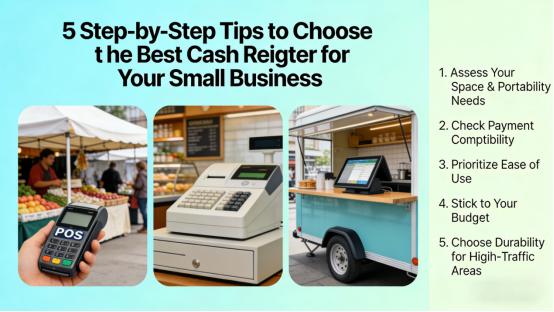
To choose the best cash register for small business, follow these practical, step-by-step tips—tailored to small business budgets and needs:
1. Assess Your Space & Portability Needs: If you run a pop-up shop, food truck, or market stall, go for a compact cash till or portable square cash register (it connects to your tablet/phone and fits in a bag). For fixed retail spaces (e.g., a brick-and-mortar boutique), a larger cash register machine with a built-in cash drawer and receipt printer is more practical.
2. Check Payment Compatibility: Today’s customers expect flexibility—make sure your cash register accepts credit cards, mobile payments (Apple Pay, Google Pay), and cash. Many POS cash register options include a built-in card reader (no extra equipment needed), while basic models may require a separate reader (factor this into your budget).
3. Prioritize Ease of Use: If your team has limited tech experience (e.g., part-time staff, family members), choose a cash register with an intuitive interface. The toast cash register (designed for restaurants) and Square are great for this—they have large buttons, simple menus, and no extensive training required. Avoid overly complex systems with too many features you’ll never use.
4. Stick to Your Budget: If you’re looking for cheap cash registers for small business, consider two options: basic manual models (under $100) for super-simple needs, or tablet-based POS systems (like Square) that use hardware you already own (saves on upfront costs). Premium options like the clover cash register ($300-$800) offer more features (inventory tracking, employee management) but are worth it if you need those tools.
5. Choose Durability for High-Traffic Areas: If you run a café, bakery, or busy retail store, look for a rugged cash register machine with a sealed design to resist dust, spills, and daily wear. Touchscreen models (like Clover) should have scratch-resistant glass to handle constant use.
To make your decision even easier, here are the top cash register options for small businesses—matched to specific business types, with real-world case studies that show how each model solves common small business pain points:
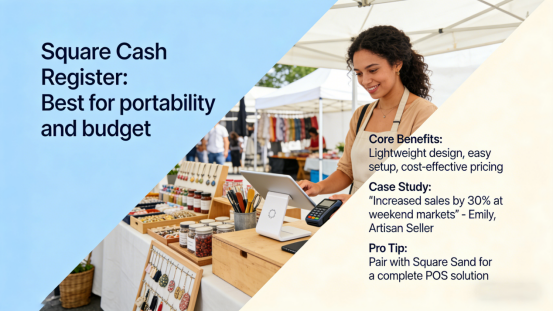
– Square Cash Register: Best for portability and budget. This tablet-based system turns your device into a full POS, with free basic software (tracks sales, sends digital receipts) and low transaction fees (2.6% + 10¢ per in-person transaction). Ideal for pop-ups, farmers’ markets, food trucks, and new small businesses. Case study: Mia started a pop-up jewelry shop at local fairs and needed a portable, affordable way to process payments. She used her old iPad and a free Square card reader to ring up sales, and within a month, she was able to track which necklaces sold best (thanks to Square’s sales reports). This insight let her adjust her inventory to focus on her top-selling items—boosting her sales by 20% without extra marketing. Pro tip: Square offers a free card reader when you sign up, so you can start processing payments immediately.
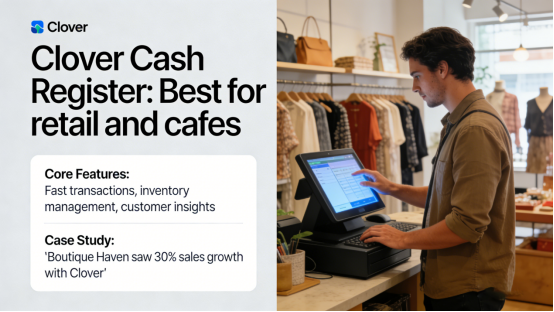
–Clover Cash Register: Best for retail and cafes. This all-in-one touchscreen system has built-in inventory tracking (set low-stock alerts), employee management (track hours and tips), and supports contactless payments. It integrates with popular tools like QuickBooks (for accounting) and Shopify (for online sales). Case study: Raj owns a small clothing boutique and struggled for months with a basic cash register that didn’t track inventory—often leaving him with out-of-stock items or excess inventory. He switched to Clover, and now he gets alerts when his best-selling t-shirts are running low, can pull monthly sales reports to see which styles are popular, and even tracks his employees’ sales performance. This has saved him 5 hours a week on paperwork and reduced inventory waste.
– Toast Cash Register: Best for restaurants, diners, and coffee shops. Designed specifically for hospitality, it includes table management (assign tables to servers), tip tracking, and kitchen display features (sends orders directly to the kitchen). It also integrates with food delivery apps (Uber Eats, DoorDash) to keep orders organized. Case study: Zoe runs a small diner with 6 tables, and before Toast, her servers would write down orders and run them to the kitchen—leading to frequent mix-ups and slow service that frustrated customers. With Toast, servers enter orders on the touchscreen, and they’re sent directly to the kitchen—cutting order errors by 30% and speeding up table turns by 15%, which helped her serve more customers each day.
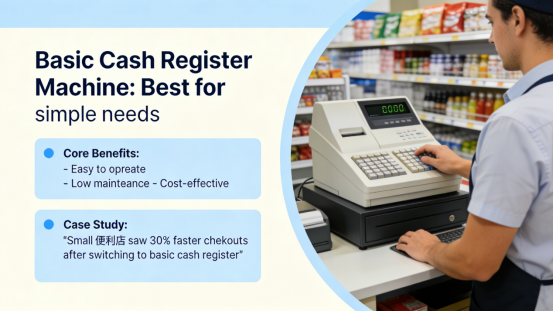
– Basic Cash Register Machine: Best for simple needs. If you don’t need inventory or employee tracking, a compactcash register machine (like a traditional cash till) works perfectly. Look for models with a built-in receipt printer, lockablecash drawer (for security), and easy-to-read display—most cost $100-$200. Case study: Tom runs a small convenience store with only 20-30 items, and his needs are simple: ring up sales, count cash, and print receipts. He uses a basic cash register machine that does exactly that—no extra features to learn or maintain, and it fits his budget perfectly.
Once you know what you need, here’s where to find a reliable cash register for sale—with tips to get the best deal and real small business examples that show how to choose the right channel for your needs:
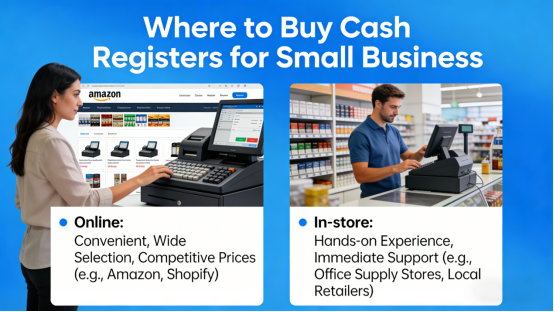
– Online Retailers: Amazon, Shopify, and specialized business supply sites (like Uline) offer a wide range of cash register for small business options. Look for models with 4+ star reviews (focus on comments about durability and ease of use). Many offer free shipping and a 30-day return policy—great for testing if the model fits your needs. Case study: Lisa needed a cheap cash register for small business (her budget was under $200) for her home-based candle shop. She bought a basic cash register on Amazon with 4.5-star reviews; it arrived in 2 days, was easy to set up, and worked perfectly for her initial needs. When she realized it didn’t accept mobile payments (a must-have as her customer base grew), she returned it for free and upgraded to a budget-friendly Square system—no hassle, and it aligned with her evolving needs.
– Local Business Supply Stores: Visit a local office supply or restaurant supply store to test out cash register machine models in person. Staff can help you demo the system, answer questions about setup, and even help with installation. This is especially helpful if you’re new to cash registers and want hands-on guidance. Case study: Mark owns a small bakery and was overwhelmed by the endless online options—he didn’t know which model would work best for tracking flour and sugar inventory. He visited a local restaurant supply store, where a staff member demoed the Clover and Toast systems. He quickly realized Toast was better for his bakery (it has built-in inventory tracking for ingredients) and the store helped him set it up the next day—saving him hours of frustration and ensuring he had the right tool from the start.
– Refurbished Options: For even more savings on cheap cash registers for small business, look for certified refurbished models from reputable brands (Square, Clover). These are tested and restored to like-new condition, often come with a warranty, and cost 30-50% less than new models. Just make sure to buy from the brand’s official site or a trusted retailer (avoid third-party sellers with no warranty). Case study: Jenny runs a small pet store and wanted a Clover system to track pet food inventory but couldn’t afford a new one. She bought a certified refurbished Clover from Square’s official site for $300 (50% off the new price). It worked like new, came with a 1-year warranty, and saved her enough money to buy more inventory—helping her grow her business without overspending.
To keep your cash register (or cash till) running smoothly for years, follow these easy maintenance tips—most take 5 minutes or less per day:
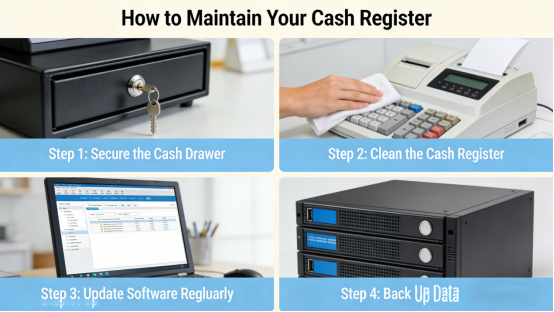
– Secure Your Cash Drawer: Always lock your cash drawer when not in use (e.g., during breaks, at closing time). Reconcile cash at the end of each shift (count cash on hand vs. sales reports) to catch discrepancies early—this prevents theft and keeps your finances accurate.
– Keep It Clean: Wipe down your cash register machine daily with a soft, damp cloth to remove dust, spills, and debris. For touchscreen models (like clover cash register or square cash register), use a screen cleaner (avoid harsh chemicals) to prevent scratches and keep the touch response smooth.
– Update Software Regularly: If you’re using a POS cash register, install software updates as soon as they’re available. Updates fix bugs, add new features (e.g., new payment methods), and improve security—critical for protecting customer data.
– Backup Your Data: For cloud-basedPOS register systems (Square, Clover), your data is automatically backed up—but it’s still a good idea to export sales reports weekly to a USB drive or cloud storage (e.g., Google Drive). For basic cash register machine models, save printed sales reports in a file folder to avoid losing critical financial data (needed for taxes!).
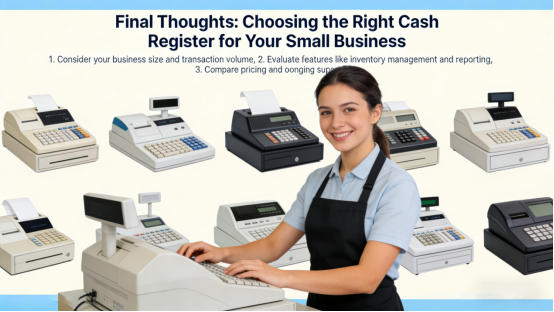
Final Thoughts: Choosing the right cash register for small business doesn’t have to be overwhelming. By focusing on your specific needs (portability, payment types, budget) and using the tips in this guide, you can pick a tool that simplifies your daily operations, saves you time, and helps you grow your business. Whether you’re a new business owner looking for your first cash register or upgrading to a POS cash register, the right model will make checkout faster, reduce errors, and give you the data you need to make smarter business decisions. Optimized for search engines, this guide covers all the key keywords your audience is searching for—from cash register and cash register for small business to POS cash register and cheap cash registers for small business—helping your content rank higher and reach the right readers.