
For US industrial businesses—from Pennsylvania manufacturing plants to Arizona solar farms—efficiency isn’t just a buzzword; it’s how you stay competitive. And if you’re not using industrial embedded computers, you’re leaving money and productivity on the table. Most US operators don’t realize how these compact, rugged devices can transform their operations—they’re still stuck with outdated, bulky hardware that slows everything down.
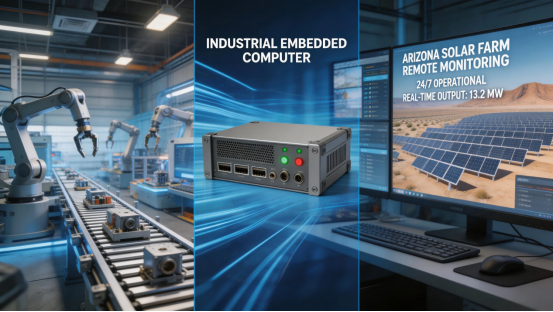
Unlike regular desktops or even industrial panel PCs (no need to confuse them!), industrial embedded computers are built to fit into tight spots, stand up to harsh industrial conditions, and run 24/7 without glitching. They’re the unsung heroes of modern US industrial operations, powering everything from automated assembly lines to remote monitoring systems. Let’s break down why they’re a must-have in 2026—and how they solve your biggest workflow headaches.
Unlike regular desktops or even industrial panel PCs (no need to confuse them!), industrial embedded computers are built to fit into tight spots, stand up to harsh industrial conditions, and run 24/7 without glitching. They’re the unsung heroes of modern US industrial operations, powering everything from automated assembly lines to remote monitoring systems. Let’s break down why they’re a must-have in 2026—and how they solve your biggest workflow headaches.
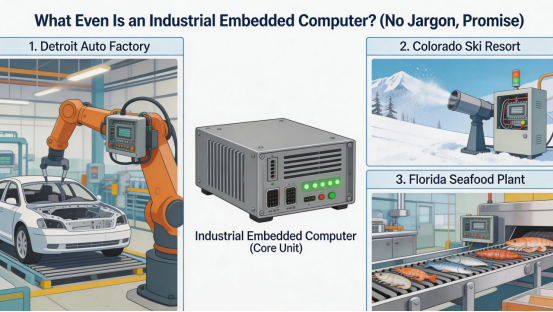
What Even Is an Industrial Embedded Computer? (No Jargon, Promise)
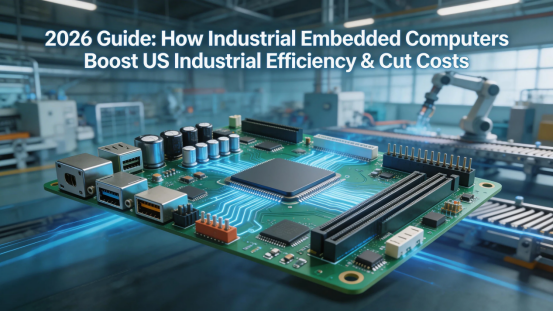
Let’s keep it simple—no jargon, promise: an industrial embedded computer is a compact, dedicated computing device built right into industrial equipment or control systems. Think of it as the “brain” behind your machinery—quiet, reliable, and built to do one job (or a few specific jobs) flawlessly, day in and day out. Unlike consumer computers made for versatility, embedded computers are tailored for industrial use—meaning they’re tough, fanless, and won’t crash when exposed to dust, heat, or vibration.
For example, a US auto manufacturer in Detroit might use an embedded computer to control a robotic arm on their assembly line. A Colorado ski resort could rely on one to monitor snowmaking equipment in sub-zero temperatures. And a Florida seafood processing plant might use one to track production times and keep up with food safety standards. They’re everywhere in US industry—you just might not notice them.
3 Big Ways Industrial Embedded Computers Help US Businesses (2026 Updates)
In 2026, US industrial businesses are dealing with tighter deadlines, higher costs, and more pressure to be efficient. Industrial embedded computers solve these problems in ways other hardware can’t—and here’s exactly how:
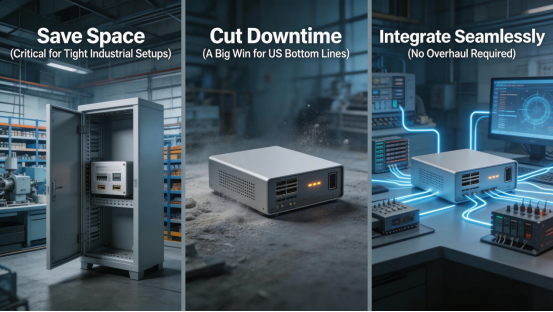
1. They Save Space (Critical for Tight Industrial Setups)
Most US factories, warehouses, and job sites don’t have room for bulky desktops or large control panels. compact industrial embedded computers are small enough to fit into tight spaces—like control cabinets, robotic arms, or even portable equipment—without losing any performance. This is a game-changer for spots like New York City’s urban manufacturing plants, where space is super limited. No more cluttering your floor with extra hardware—just embed the computer right into your existing equipment.
2. They Cut Downtime (A Big Win for US Bottom Lines)
Downtime costs US industrial businesses thousands of dollars every hour—and outdated hardware is one of the biggest culprits. Industrial embedded computers are built to run 24/7/365, with fanless designs (so no dust buildup) and IP65+ protection (resistant to moisture and debris). They also have fewer moving parts, which means way fewer breakdowns. A fanless industrial embedded computer can run for years without needing maintenance—saving you time, money, and the stress of unexpected downtime.
3. They Integrate Seamlessly (No Overhaul Required)
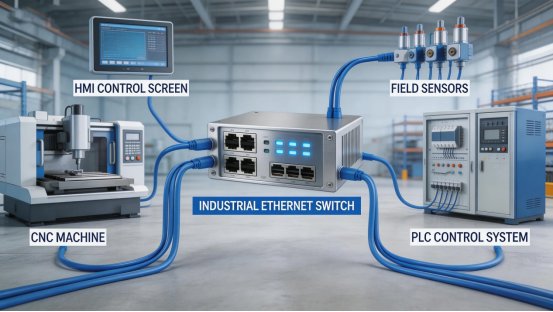
One of the biggest mistakes US businesses make is investing in new tech that requires a complete system overhaul. Industrial embedded computers are designed to integrate seamlessly with your existing software, hardware, and control systems—whether you’re using Windows, Linux, or a specialized industrial OS. Top manufacturers like Jiangxi Qiwo Electronics even offer custom integration support, so you can get your embedded computer up and running in days, not weeks. That means you can boost efficiency without messing up your current operations.
What to Look for in a 2026 Industrial Embedded Computer (US Businesses Only)
Not all industrial embedded computers are the same—especially for US businesses. Here’s what to prioritize to get the most bang for your buck:
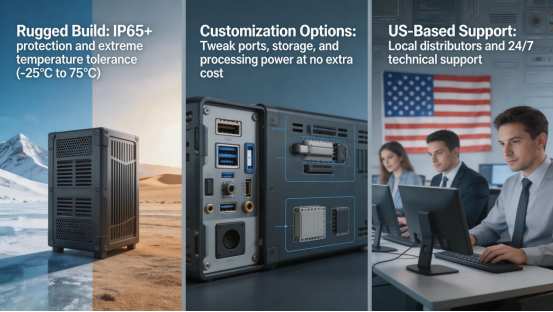
- Rugged Build: Look for IP65+ protection and extreme temperature tolerance (-25°C to 75°C) to handle US weather—from Alaska’s frigid cold to Texas’s scorching heat.
- Customization Options: Choose a manufacturer that lets you tweak ports (Ethernet, USB, RS-232), storage, and processing power to fit your specific needs—Jiangxi Qiwo does this with no extra cost for basic customizations.
- US-Based Support: You need help fast when your system goes down. Look for local US distributors and 24/7 technical support—no overseas wait times or language barriers.
Final Thought: 2026 Is the Year to Upgrade to Embedded Computing
For US industrial businesses looking to stay competitive in 2026, industrial embedded computers aren’t an option—they’re a necessity. They save space, cut downtime, integrate seamlessly, and help you do more with less. Whether you’re a small Wisconsin machine shop or a large California aerospace plant, an embedded computer can transform how you operate.