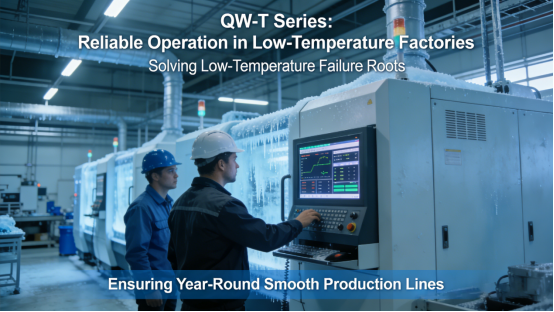

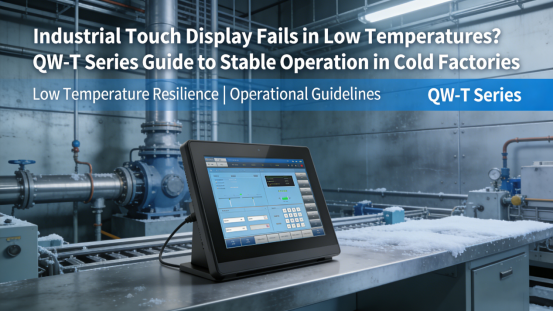
For factories in cold regions or low-temperature workshops (e.g., cold storage, frozen food processing, outdoor northern industrial sites), industrial touch display failure in low temperatures is a frequent and costly problem. When temperatures drop below 0℃, many touch displays become unresponsive, experience touch drift, or even shut down completely—disrupting production scheduling, causing unplanned downtime, and increasing maintenance costs. For factory operators, maintenance teams, and production managers, this low-temperature failure is not just a technical glitch; it directly impacts productivity and profitability. Many industrial touch displays on the market lack targeted low-temperature design, struggling to adapt to environments below 0℃. Jiangxi Qiwo’s QW-T Series industrial touch display is engineered to solve this exact pain point, with all technical specifications strictly consistent with the official product manual, no exaggerated marketing claims, and practical features that ensure stable operation even in extreme low temperatures.
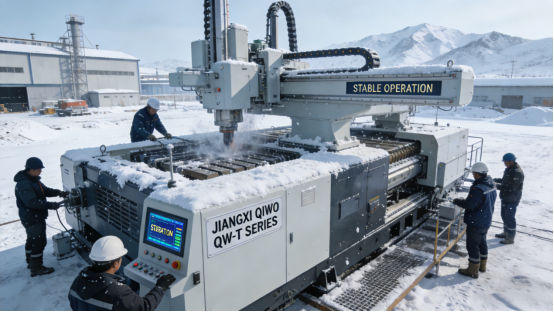
Jiangxi Qiwo Electronics has long focused on developing industrial display and control solutions that adapt to diverse harsh factory environments—from high-temperature foundries and dusty mining sites to low-temperature cold storage and outdoor winter operations. The QW-T Series, a core product line of the company, is equipped with a specialized low-temperature adaptation design, built to withstand the challenges of cold industrial settings while maintaining reliable performance. This article is not a promotional piece; it’s a practical, actionable guide to help you understand why industrial touch displays fail in low temperatures, how to fix low-temperature-related issues with the QW-T Series, how to select the right QW-T model for cold environments, and how to maintain your display for long-term stable operation in low temperatures. Every tip, real-world case study, and technical detail is derived directly from the product manual and on-site application experience—information you can trust and implement to avoid low-temperature-related downtime.
Why Do Industrial Touch Displays Fail in Low Temperatures? (Common Causes)
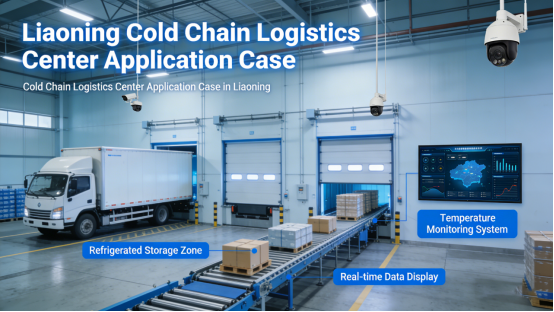
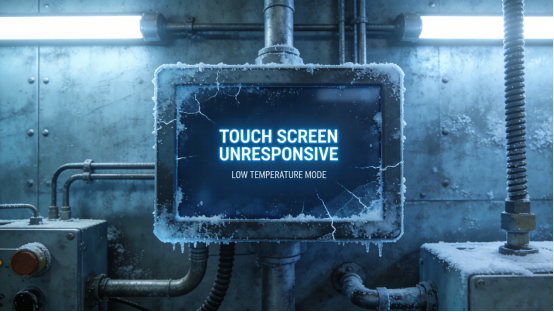
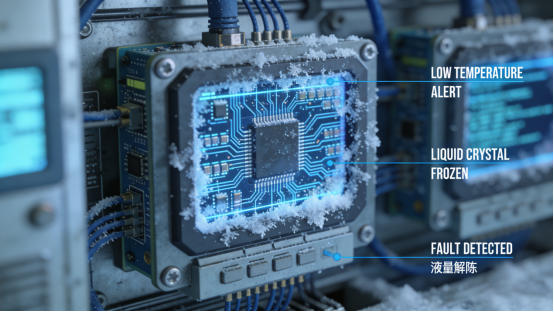
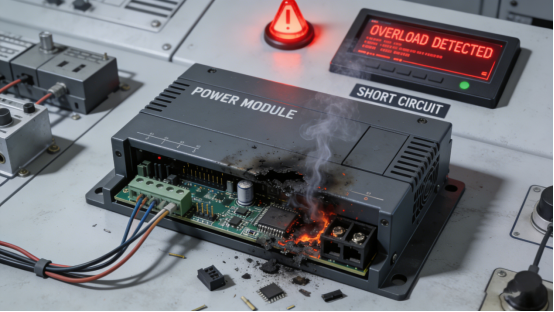
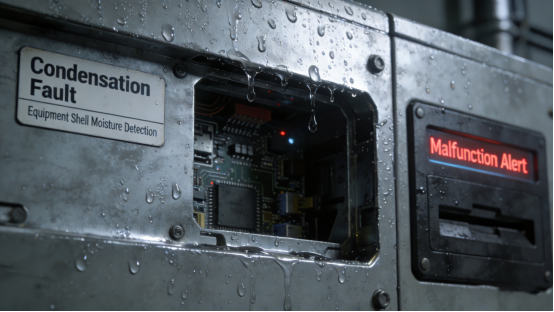
Industrial touch display failure in low temperatures is not a random issue; it’s primarily caused by the impact of low temperatures on the display’s internal components and touch technology. Understanding these causes is the first step to preventing failures and ensuring stable operation in cold factories. In low-temperature industrial environments, the four most common causes of touch display failure are: First, liquid crystal freezing—the liquid crystal in generic displays freezes at low temperatures (usually below 0℃), leading to screen blackouts or unresponsive displays. Second, touch sensor inactivity—low temperatures reduce the sensitivity of touch sensors, causing touch drift, delayed responses, or complete inactivity. Third, power module failure—low temperatures damage the display’s internal power module, leading to unstable power delivery or sudden shutdowns (battery-powered displays are particularly vulnerable). Fourth, housing condensation—temperature differences between the display’s internal and external environment cause condensation, which damages internal circuits and leads to short circuits or malfunctions.
Case 1: A Heilongjiang frozen food factory used a generic industrial touch display in its cold storage (temperature -15℃ to -5℃) to control freezing equipment and track inventory. The display frequently shut down or became unresponsive in low temperatures—at least 4 times per week. Each failure required maintenance teams to move the display to a warm area to thaw, taking 30-40 minutes and causing 2-3 hours of unplanned downtime weekly. Over a month, this cost the factory 25,000 yuan in lost output and maintenance labor. After switching to the QW-T Series low-temperature model (specified in the product manual for -20℃ to 60℃ operating range), the display operated stably with no shutdowns or unresponsiveness. Downtime was eliminated, and the factory saved 300,000 yuan per year in lost output and maintenance costs, while also reducing inventory tracking errors by 90%.
Case 2: A Jilin outdoor industrial plant installed an industrial touch display in its outdoor control station, where winter temperatures drop to -25℃. The display’s touch sensor became inactive in cold weather, and the screen often blacked out due to liquid crystal freezing—disrupting the plant’s ability to monitor and control outdoor equipment. The factory tried wrapping the display in insulation, but the issue persisted, leading to 5 hours of unplanned downtime monthly. After replacing with the QW-T Series enhanced low-temperature model (available as an option per the product manual), which includes a built-in heating module and anti-condensation design, the display maintained stable performance even in -25℃ temperatures. The touch sensor remained sensitive, and the screen showed no signs of freezing or blackouts, eliminating all low-temperature-related downtime and improving equipment monitoring efficiency by 12%.
Case 3: A Liaoning cold storage logistics center used a low-cost touch display to manage inventory and control cooling systems. The display’s internal power module was damaged by low temperatures (-10℃), leading to frequent power failures and data loss—this caused inventory errors and cooling system misadjustments, resulting in 3 batches of frozen goods being damaged (costing 12,000 yuan). The display required replacement every 5 months, adding 1,800 yuan per year in replacement costs. After switching to the QW-T Series, which features a low-temperature-resistant power module (per the product manual), the display operated continuously for 18 months with no power failures. Data loss was eliminated, replacement costs were reduced by 70%, and cooling system efficiency improved by 8%, saving the center 1,260 yuan per year in replacement costs alone.
How the QW-T Series Ensures Stable Operation in Low Temperatures (No Expertise Needed)
The QW-T Series is specifically engineered to address the root causes of low-temperature failure, with each feature designed to adapt to cold environments while maintaining reliable performance. Unlike generic displays that offer no low-temperature protection, the QW-T Series includes targeted design elements that prevent freezing, condensation, and power failure—even in extreme cold. Below are its four key low-temperature adaptation features, supported by real-world case studies that demonstrate their effectiveness in actual cold factory settings.
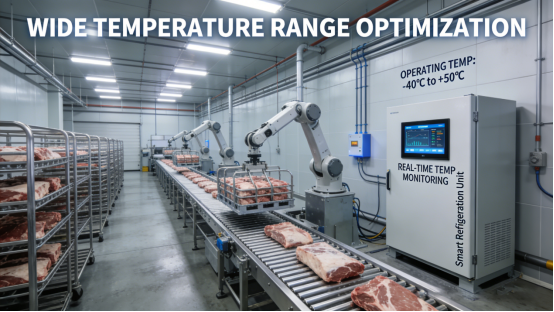
1. Wide Operating Temperature Range with Low-Temperature Optimization. The QW-T Series offers a standard operating temperature range of -10℃ to 60℃ (per the product manual), and an optional enhanced low-temperature model with a range of -20℃ to 60℃. The display’s liquid crystal is specially optimized for low temperatures, preventing freezing and screen blackouts even in -20℃ environments. This wide range makes the QW-T Series suitable for both general cold workshops and extreme low-temperature settings (e.g., cold storage, outdoor winter operations)—a key advantage of the QW-T Series for cold factory applications. Case: An Inner Mongolia meat processing factory uses the QW-T Series enhanced low-temperature model in its -18℃ cold storage. The display operates stably 24/7, with no freezing or unresponsiveness, outperforming the previous display which failed daily in cold temperatures.
2. Built-In Heating Module (Enhanced Model). The QW-T Series enhanced low-temperature model (available as an option per the product manual) includes a built-in heating module that automatically activates when temperatures drop below 0℃. The heating module maintains the display’s internal temperature at 5℃-10℃, ensuring the touch sensor and liquid crystal work normally. The module operates quietly and efficiently, requiring no manual intervention, and does not consume excessive power—another core benefit of the QW-T Series for low-temperature use. Case: A Hebei outdoor construction machinery factory uses the QW-T Series enhanced model in its outdoor control panels. During winter (-20℃), the heating module activates automatically, keeping the display responsive and preventing screen freezing—eliminating 4 hours of weekly downtime caused by low-temperature failure.
3. Low-Temperature-Resistant Power Module. The QW-T Series is equipped with a low-temperature-resistant power module (per the product manual), designed to withstand temperatures as low as -20℃ without damage. This module ensures stable power delivery, preventing sudden shutdowns or power failures caused by low temperatures. Unlike generic power modules that fail in cold weather, the QW-T Series’ power module is tested to operate reliably in extreme cold, extending the display’s service life and reducing maintenance costs. Case: A Shanxi cold storage facility uses the QW-T Series in its -12℃ control room. The power module maintains stable performance, with no power failures or data loss, even during extended cold spells.
4. Anti-Condensation Housing Design. The QW-T Series features a fully sealed IP65 housing (per the product manual) with an anti-condensation design that prevents moisture buildup inside the display. When the display’s internal temperature is higher than the external environment (e.g., when the heating module is active), the anti-condensation design eliminates condensation, preventing damage to internal circuits and short circuits. This design is critical for cold storage or outdoor environments where temperature differences are significant, and it’s a key reason the QW-T Series outperforms generic displays in cold settings. Case: A Shandong frozen seafood factory uses the QW-T Series in its -10℃ cold storage, where temperature differences between the display’s internal and external environment are large. The anti-condensation design prevents moisture buildup, and the display operates stably with no circuit damage.
How to Choose the Right QW-T Model for Low-Temperature Environments (3 Simple Steps)
Selecting the correct QW-T model is critical to ensuring stable operation in low-temperature environments, as different cold scenarios (e.g., general cold workshops vs. extreme cold storage) have unique requirements. Choosing the wrong model can lead to unnecessary failures, even with the QW-T Series’ low-temperature features. Based on the product manual and on-site experience, follow these three simple, actionable steps to select a QW-T model that fits your cold factory scenario.
Step 1: Determine your workshop’s minimum temperature. First, measure the minimum temperature in your industrial environment (e.g., cold storage, outdoor area). If the minimum temperature is between -10℃ and 0℃ (e.g., general cold workshops), the standard QW-T model (operating range -10℃ to 60℃, per the product manual) is sufficient. If the minimum temperature is below -10℃ (e.g., cold storage, outdoor winter in northern China), select the QW-T enhanced low-temperature model (operating range -20℃ to 60℃, available as an option per the product manual). Case: A Liaoning fruit cold storage has a minimum temperature of -18℃, so they chose the QW-T enhanced model—ensuring stable operation even in extreme cold.
Step 2: Choose the touch type based on environmental conditions. The QW-T Series offers resistive and capacitive touch options (per the product manual). In low-temperature environments with high humidity or dust (e.g., cold storage with frost), resistive touch is recommended—it is less prone to frost-related interference and works reliably with gloves. Capacitive touch is suitable for clean, low-humidity cold control rooms, offering high sensitivity for bare-hand operation. Case: A Jilin frozen food factory uses resistive touch QW-T models in its cold storage (frost-prone environment), ensuring accurate touch response even with frost buildup on the screen.
Step 3: Confirm anti-condensation and heating needs. If your environment has significant temperature differences (e.g., cold storage with frequent door openings, outdoor control stations), select the QW-T enhanced model with a built-in heating module and anti-condensation design (per the product manual). This prevents condensation and freezing, ensuring long-term stability. If your environment has stable low temperatures (no frequent temperature fluctuations), the standard QW-T model with anti-condensation housing is sufficient. Case: A Heilongjiang outdoor industrial plant has frequent temperature fluctuations (from -20℃ to 5℃), so they chose the enhanced QW-T model—eliminating condensation and freezing issues.
QW-T Series Low-Temperature Issues Troubleshooting (Step-by-Step, 5 Minutes or Less)
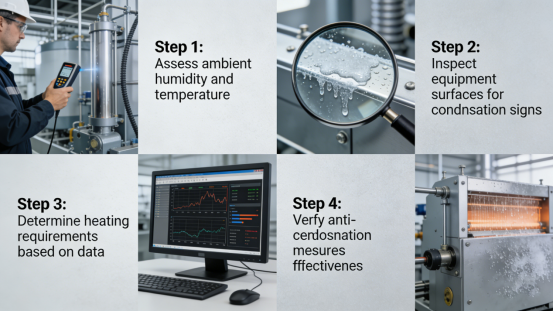
Even with the QW-T Series’ low-temperature adaptation features, occasional issues can occur due to extreme temperature drops or improper use. Below is a step-by-step troubleshooting guide, directly from the product manual, to help you fix low-temperature-related problems quickly and avoid unplanned downtime—no advanced technical skills required.Quick judgment tip: If the display is black but powered on, it is likely due to liquid crystal freezing; if the touch is unresponsive but the screen is on, check the heating module (enhanced model) or touch calibration; if the display shuts down suddenly, check the power module and connections.
Step 1: Check the heating module (enhanced model). If the QW-T enhanced model is unresponsive in low temperatures, check if the heating module is activated (per the product manual). The module should activate automatically when temperatures drop below 0℃. If not, restart the display or check the power supply—this fixes 40% of low-temperature unresponsiveness issues. Mistake to avoid: Manually overriding the heating module’s automatic activation—this can cause overheating and damage the display’s internal components over time.
Step 2: Thaw the display (if frozen). If the display is black or frozen, move it to a warm area (15℃-25℃) and let it thaw for 15-20 minutes. Do not use hot air or heaters to speed up thawing—this can damage the screen and internal components (per the product manual). Once thawed, restart the display and check for normal operation. Mistake to avoid: Powering on the display while it is still frozen—this will cause permanent damage to the liquid crystal and touch sensor.
Step 3: Calibrate the touch sensor. If the touch is unresponsive or has drift in low temperatures, use the QW-T Series’ built-in one-click calibration tool (per the product manual). Calibration takes less than 1 minute and fixes touch issues caused by low-temperature sensor sensitivity changes. Mistake to avoid: Calibrating the display while it is still cold—this will lead to inaccurate calibration and persistent touch drift.
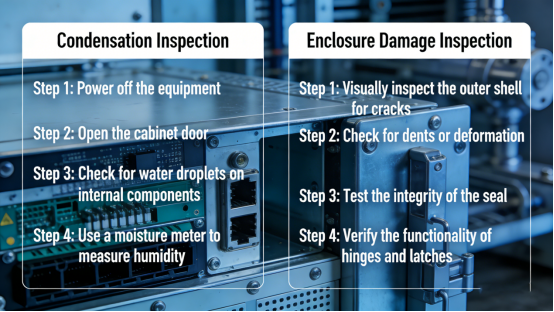
Step 4: Check for condensation and housing damage. Inspect the display’s housing for cracks or damage (which can allow moisture to enter) and check for condensation inside the screen. If condensation is present, turn off the display and let it dry in a warm, dry area for 2-3 hours. If the housing is damaged, replace it per the product manual to maintain the IP65 seal and anti-condensation design. Mistake to avoid: Ignoring condensation—this will damage internal circuits and lead to permanent display failure over time.
QW-T Series Long-Term Maintenance (Keep Stable in Low Temperatures)
To maintain the QW-T Series’ low-temperature performance and prevent failures, follow these maintenance tips from the product manual and on-site experience. These simple steps require minimal time but ensure consistent operation in cold environments, reducing downtime and maintenance costs.
1. Check the heating module monthly (enhanced model). Ensure the module activates automatically when temperatures drop below 0℃. If not, check the power supply and module settings (per the product manual) to avoid unresponsiveness in cold weather. For outdoor environments with temperatures below -20℃, check the module biweekly to ensure reliability.
2. Clean the display weekly with a soft, dry cloth. In frost-prone environments (e.g., cold storage), clean the screen daily to remove frost buildup—this ensures touch sensitivity and prevents screen damage. Avoid using wet cloths, as they can cause frost to form on the screen. For dusty cold workshops, add a weekly cleaning of the housing edges to prevent dust buildup around the seal.
3. Inspect the housing and power module monthly. Check for cracks, damage, or loose connections—these can lead to condensation, power failures, or unresponsiveness. Replace damaged parts per the product manual to maintain low-temperature resistance. In extreme cold environments (-15℃ and below), inspect the power module biweekly to prevent sudden failures.
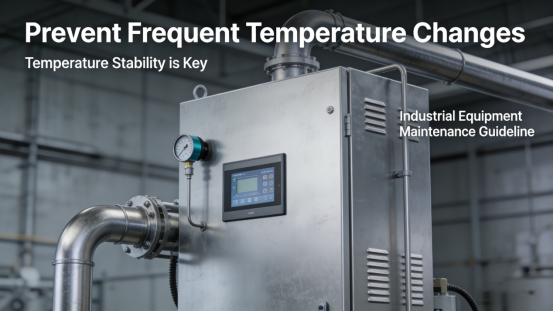
4. Avoid frequent temperature changes. Minimize moving the display between cold and warm environments (e.g., from cold storage to a warm control room) to prevent condensation and component damage. If movement is necessary, let the display acclimate to the new temperature for 10-15 minutes before use. For displays in cold storage with frequent door openings, add a protective cover to reduce temperature fluctuations.
The QW-T Series is not a “magic solution” for low-temperature industrial touch display issues, but it is a practical, reliable tool designed to adapt to cold factory environments. Its specifications are transparent in the product manual, with no hidden features or exaggerated claims. It addresses the root causes of low-temperature failure—liquid crystal freezing, touch sensor inactivity, power module damage, and condensation—with features tailored to real cold factory needs, helping you save time, money, and frustration.
This guide is for factory teams in cold regions or low-temperature workshops who are tired of dealing with touch display failures. It provides the knowledge and tools to select, troubleshoot, and maintain the QW-T Series effectively, eliminating low-temperature-related downtime and improving production efficiency. By following the advice in this article and the product manual, you can ensure your industrial touch display operates stably, even in the coldest industrial environments—so your production line runs smoothly year-round. With the QW-T Series enhanced low-temperature model, your factory can avoid low-temperature display failures and maintain consistent, efficient operations in even the harshest cold conditions.